The Best Way to Practice Public Speaking When You Don't Have an Audience
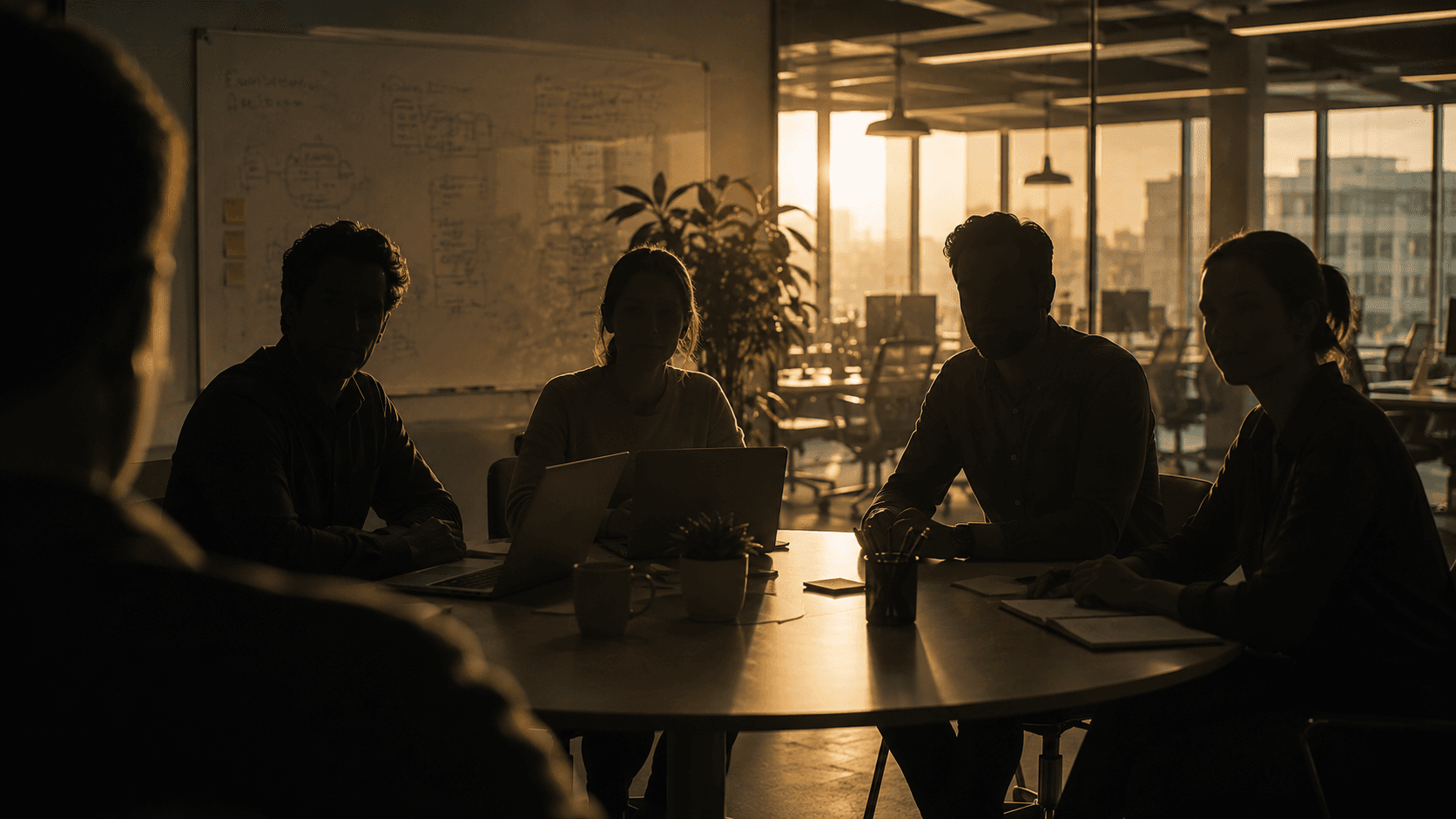
Almost all advice about improving public speaking assumes you have somewhere to practice: a Toastmasters club, a workplace presentation, a class that requires participation. The standard advice when you don't have those things is to record yourself and watch it back.
Recording yourself is useful. But it's also missing the most important feature of real speaking: the other person.
Why Monologue Practice Has Limits
When you speak to a camera or a mirror, you control the entire situation. There's no unpredictability. No follow-up question you didn't see coming. No moment where the listener's body language shifts and you have to adjust. No decision about when to stop, speed up, or change direction.
Continue reading — free.
Create a free Soro Soke account to read the full article — and get access to spaced repetition, Speak Up, and Small Talk Lab while you're at it.
Sign up freeAlready have an account? Sign in
Put this into practice.
Soro Soke gives you spaced repetition and AI-coached practice — Speak Up, Small Talk Lab, Debate Lab, and Doc Lab — all in one place. Free to use.
Get started free